Written scope
What we remove, what we install, what it costs
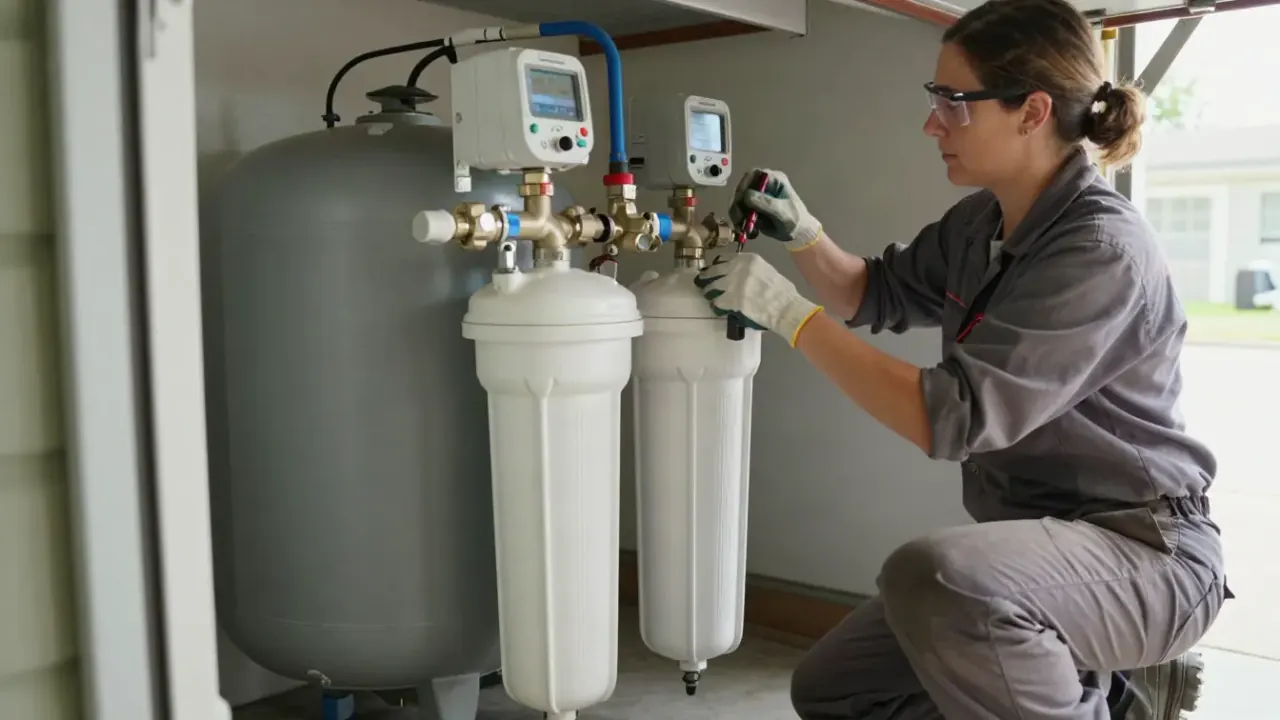
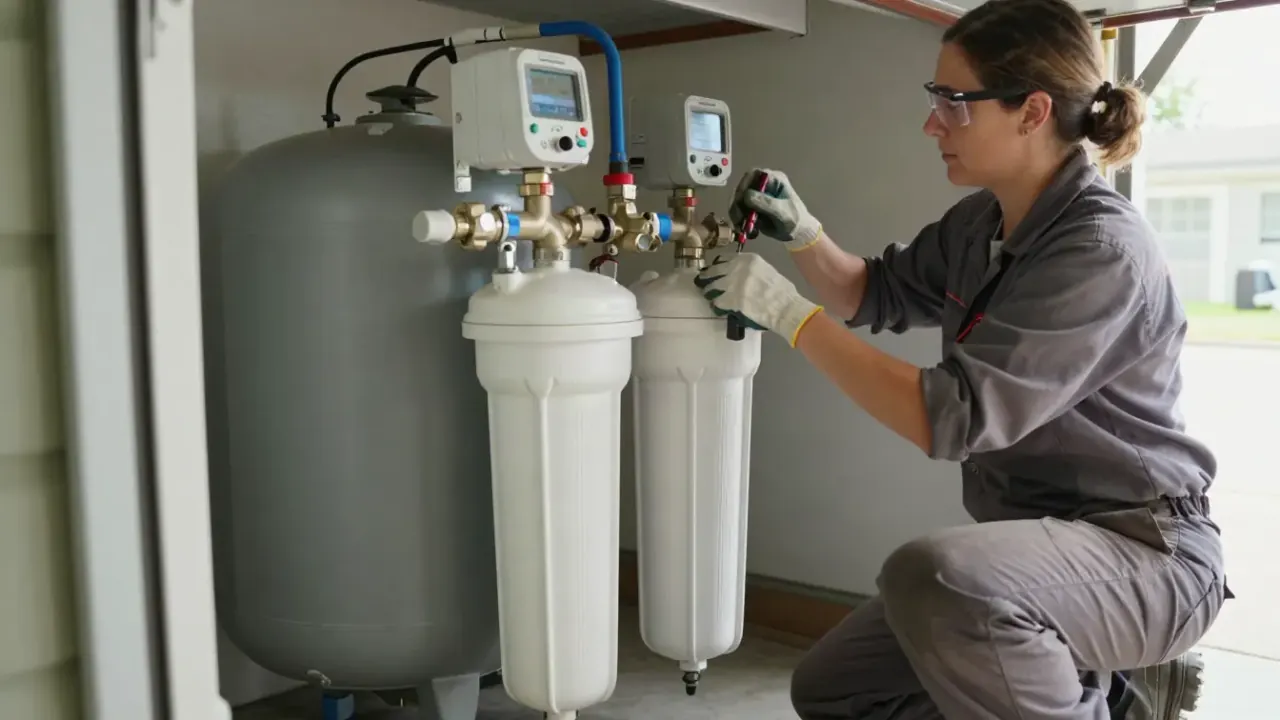
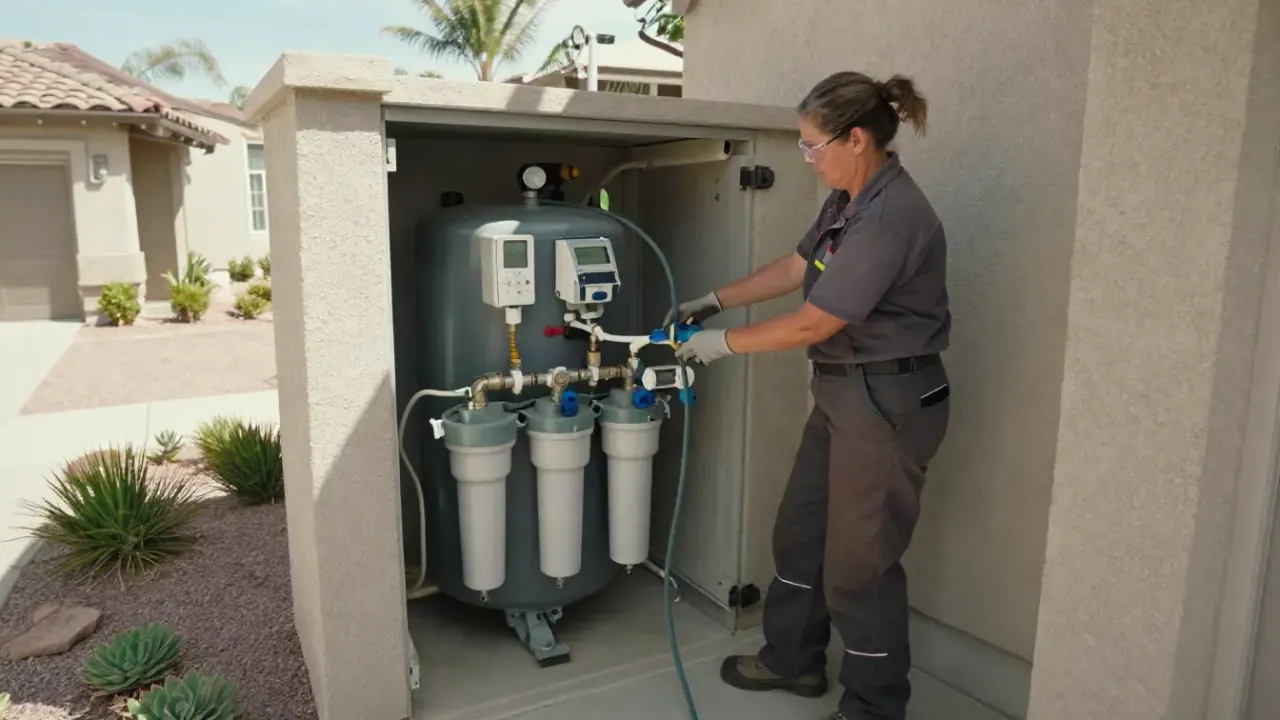
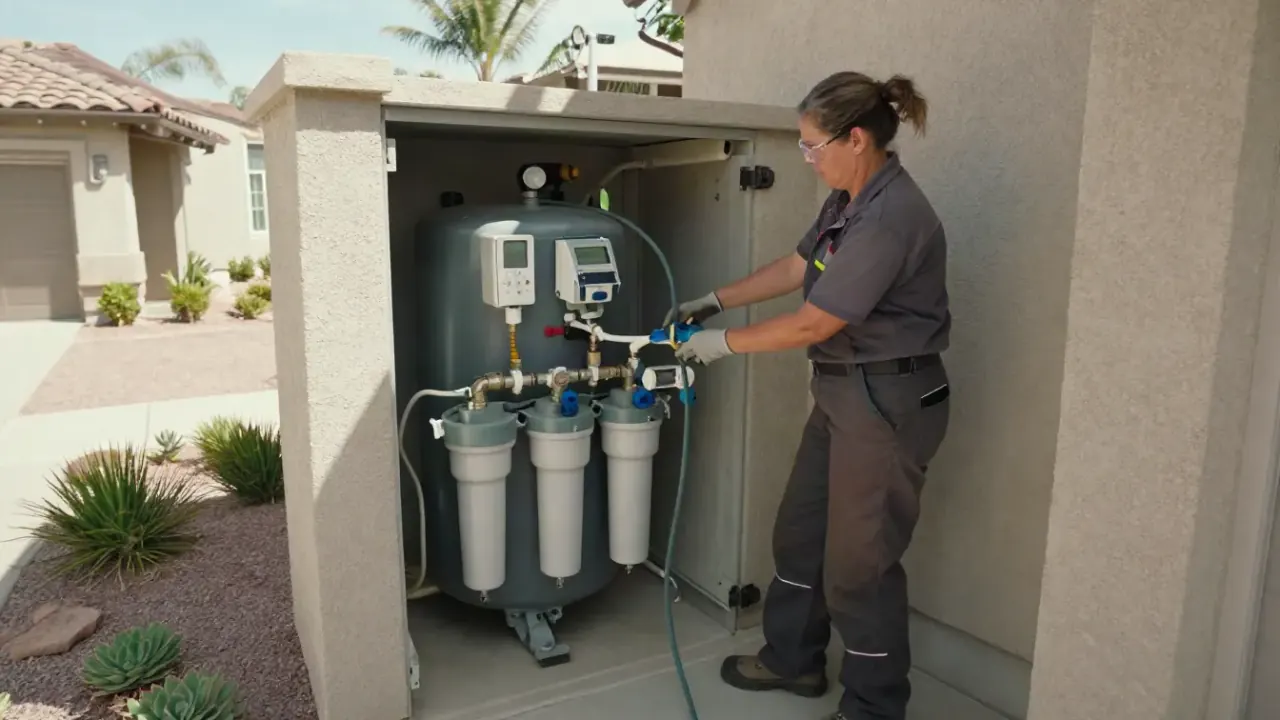
Water Softener Removal and Replacement in Diamond Bar means pulling the dead or scaled-up unit, hauling it off, and setting a new softener that actually keeps up with your household. If your brine tank is sludge, your resin is spent, or the control valve quit regenerating, we swap the whole thing in one visit. We serve homeowners across Diamond Bar, CA and Los Angeles County who are tired of spots on glassware and scale in the pipes.
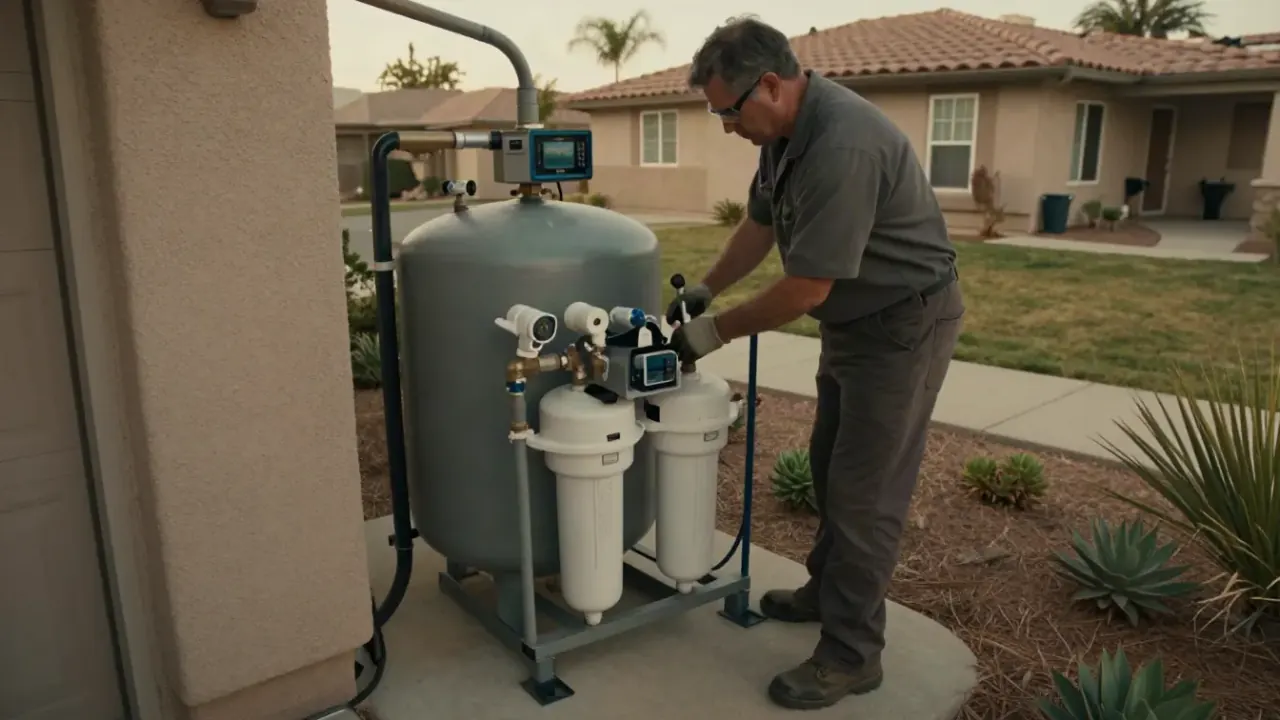
Every removal and replacement job covers the tear-out, the haul-away, the new unit, and the setup. Add-ons like filtration or RO are quoted separately so you can see exactly what you are paying for.
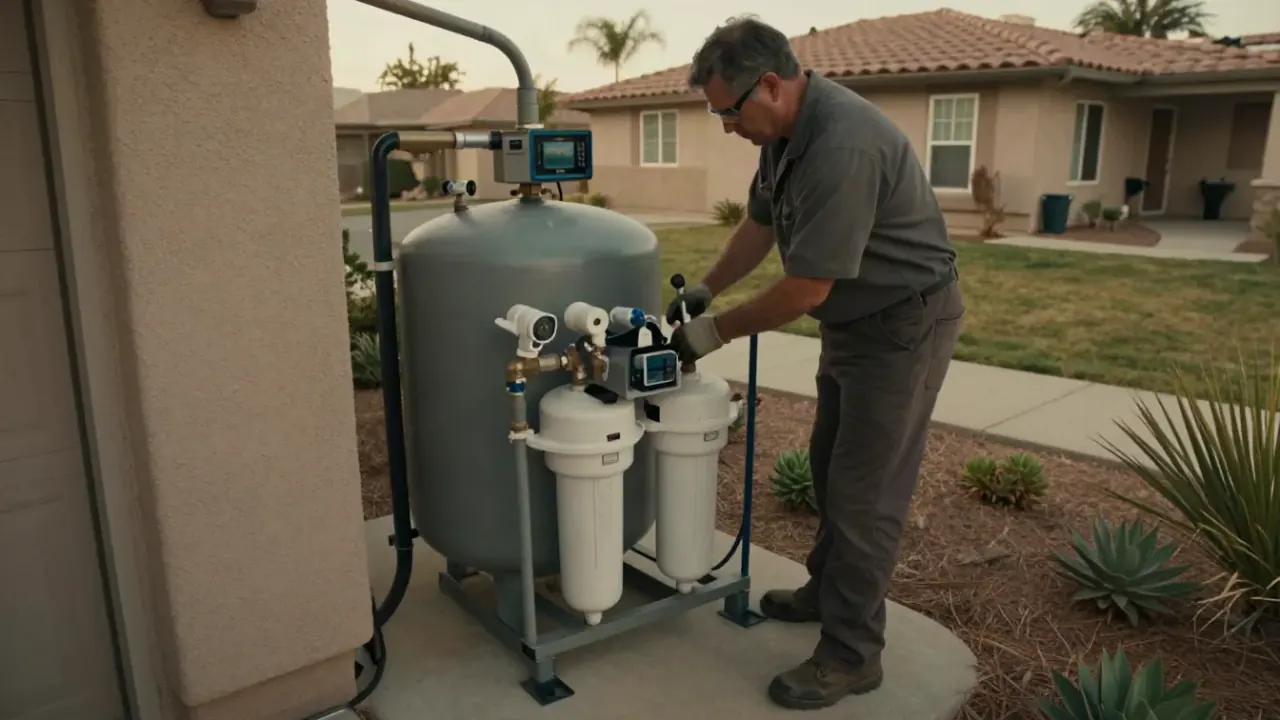
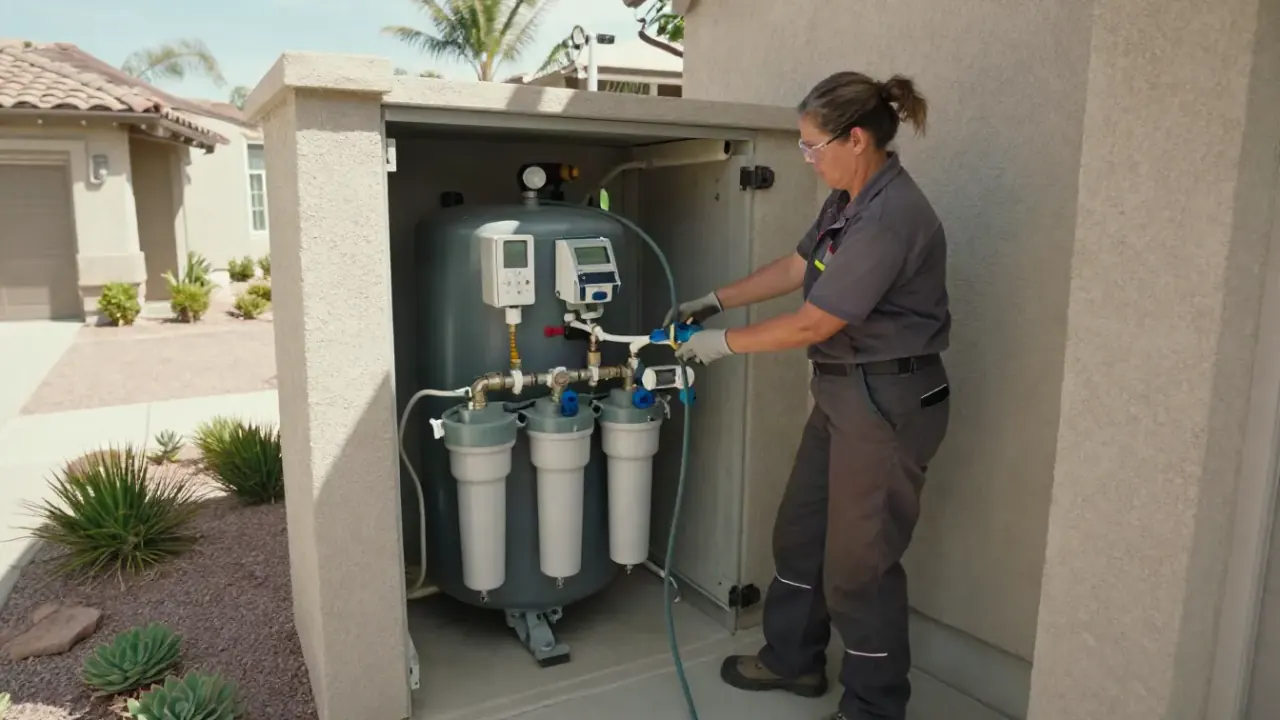
We replace old softeners in houses, condos, and rentals across Diamond Bar. You get the old unit drained, disconnected, and hauled off, plus a new system sized to your household.
We handle removal and replacement for small commercial and multi-unit properties in Diamond Bar. Work is scheduled around tenants and business hours so nobody is left without water.
Water Softener Removal and Replacement in Diamond Bar is the full tear-out and re-install of a residential or light commercial softener: shutting the bypass valve, draining the resin tank and brine tank, cutting out the old plumbing connections, hauling the unit away, then setting a new softener and dialing in the control valve. It is not a repair. When a tank is cracked, the resin is depleted, or the head has failed twice, replacement costs less over five years than chasing parts.
Diamond Bar sits on hard Colorado River and groundwater blends that push 12 to 18 grains per gallon, so softeners here work harder and die younger than in softer-water cities. Most calls we get are from homeowners whose unit is 10 to 15 years old, running high salt usage, and leaving hard water spots again. If you are searching for water softener replacement Diamond Bar or a crew to remove old water softener Diamond Bar California, the fix is usually a same-day swap.
We pull the dead softener, set a correctly sized one, and prove it with a water test.
Five steps, one visit, no guesswork. Here is exactly what happens from the moment we pull into your driveway until the new system is softening your water.
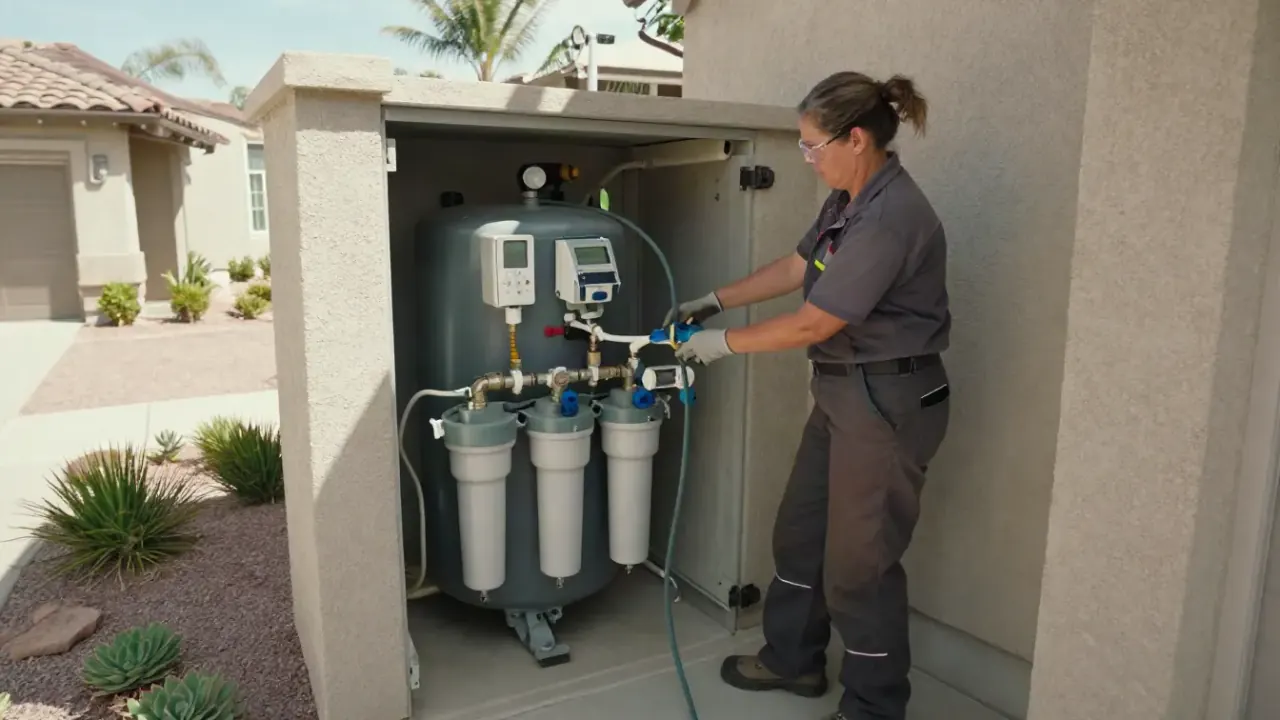
We test raw hardness with a water hardness test kit and check total dissolved solids with a TDS meter, then measure your peak flow at the main. That tells us grain capacity and whether you need a 1-inch or 3/4-inch control valve. Takes about 15 minutes and costs nothing.
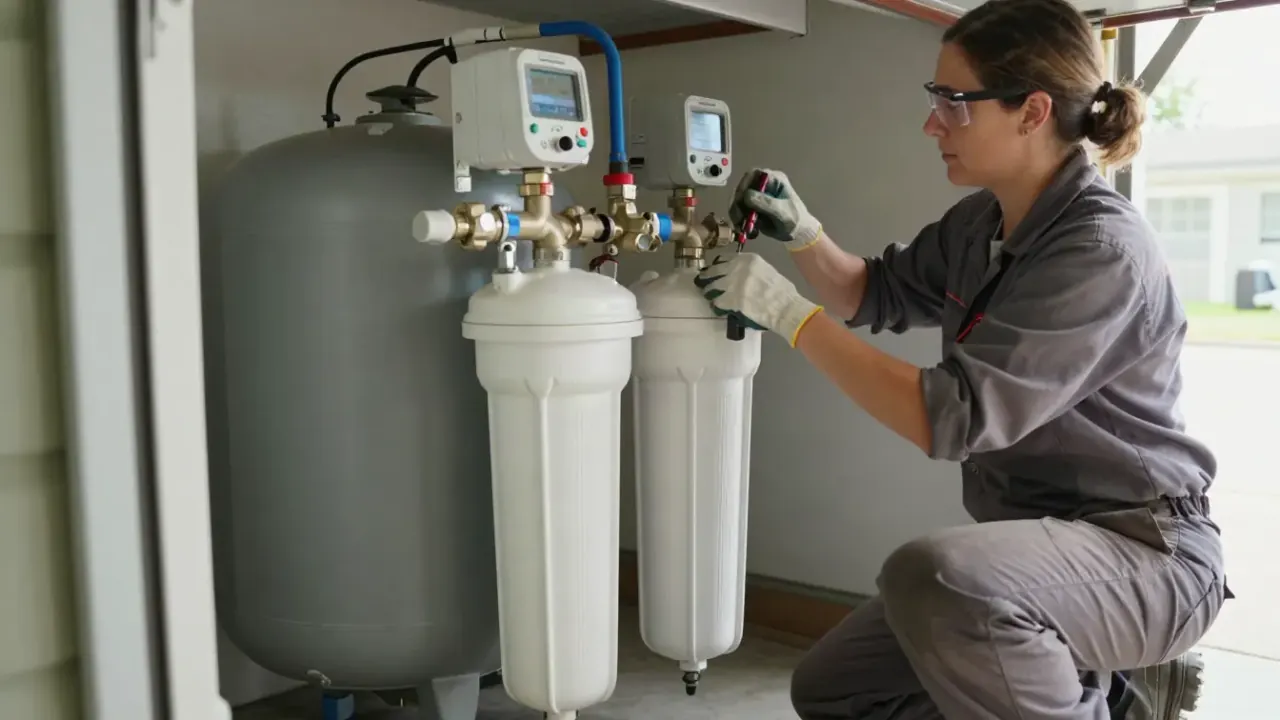
We close the main, open the bypass valve to relieve pressure, and drain the brine tank and resin tank into a bucket or utility sink. Expect 20 to 30 minutes of draining. We lay drop cloths and protect the floor before any water moves.
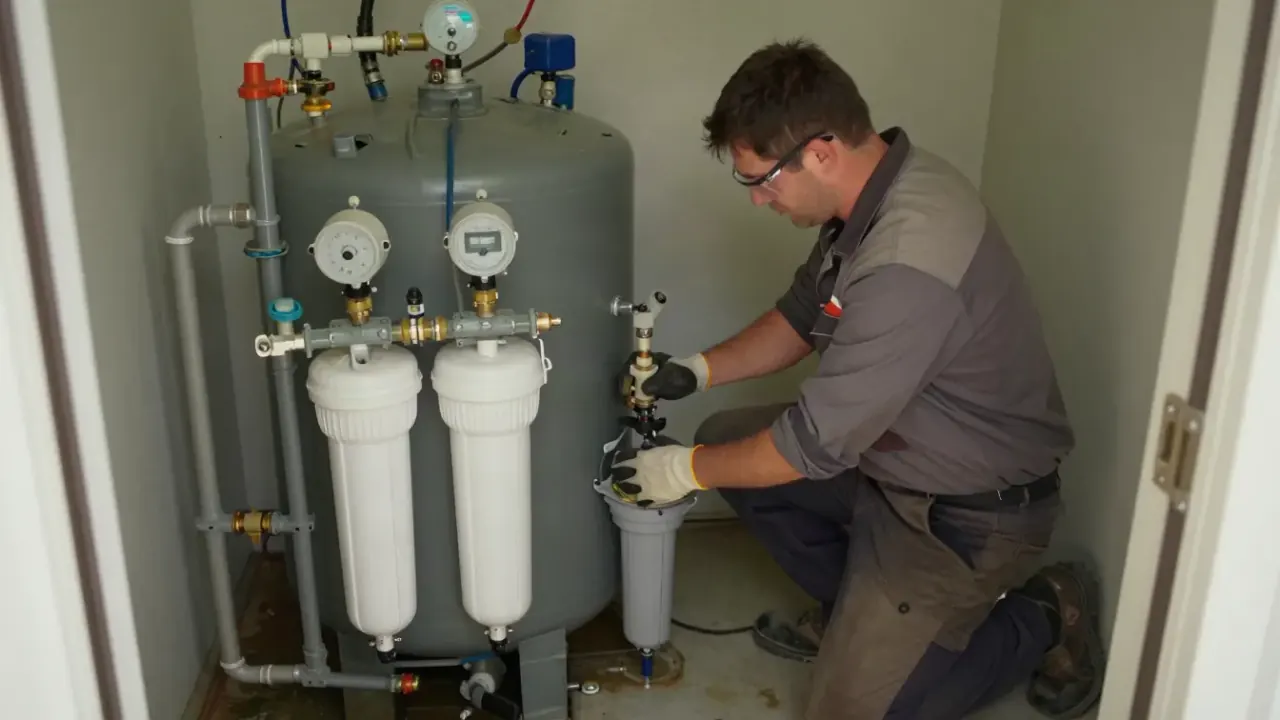
Using a tubing cutter and pipe wrench, we cut the old connections and free the unit from the plumbing loop. The old tank, brine tank, and control head go on the truck. You do not have to schedule a bulk pickup or drag anything to the curb.
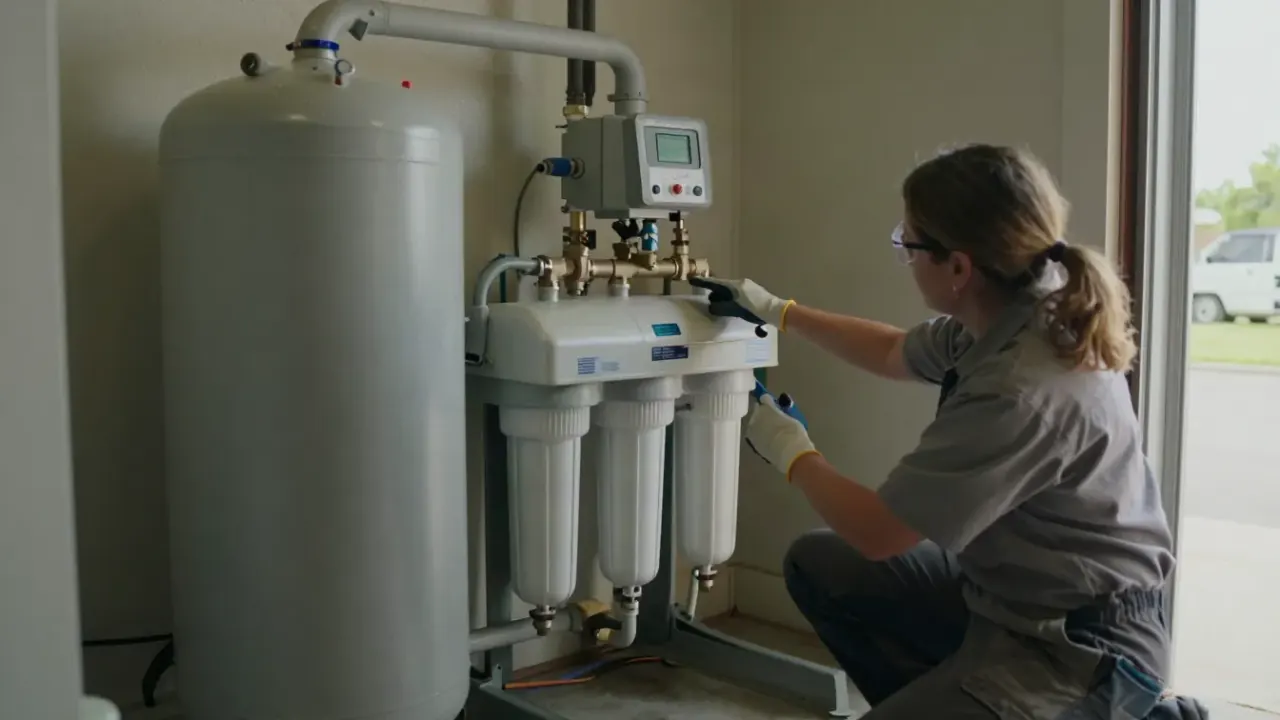
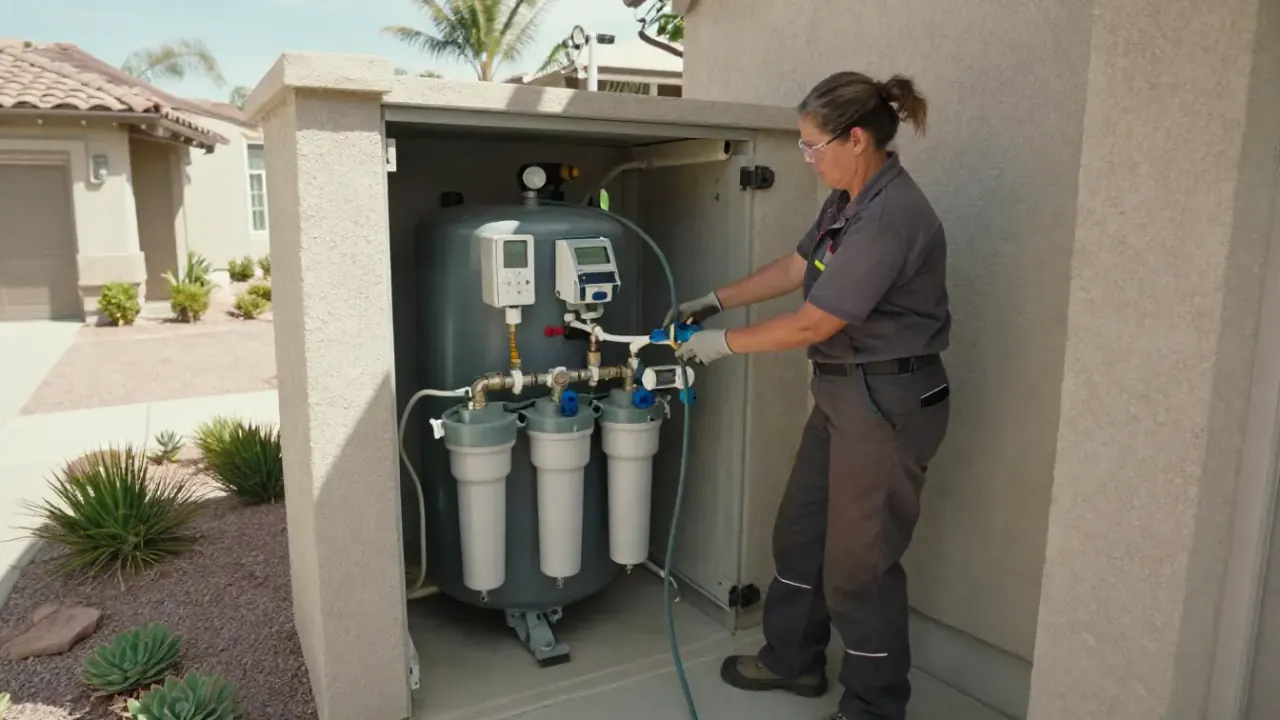
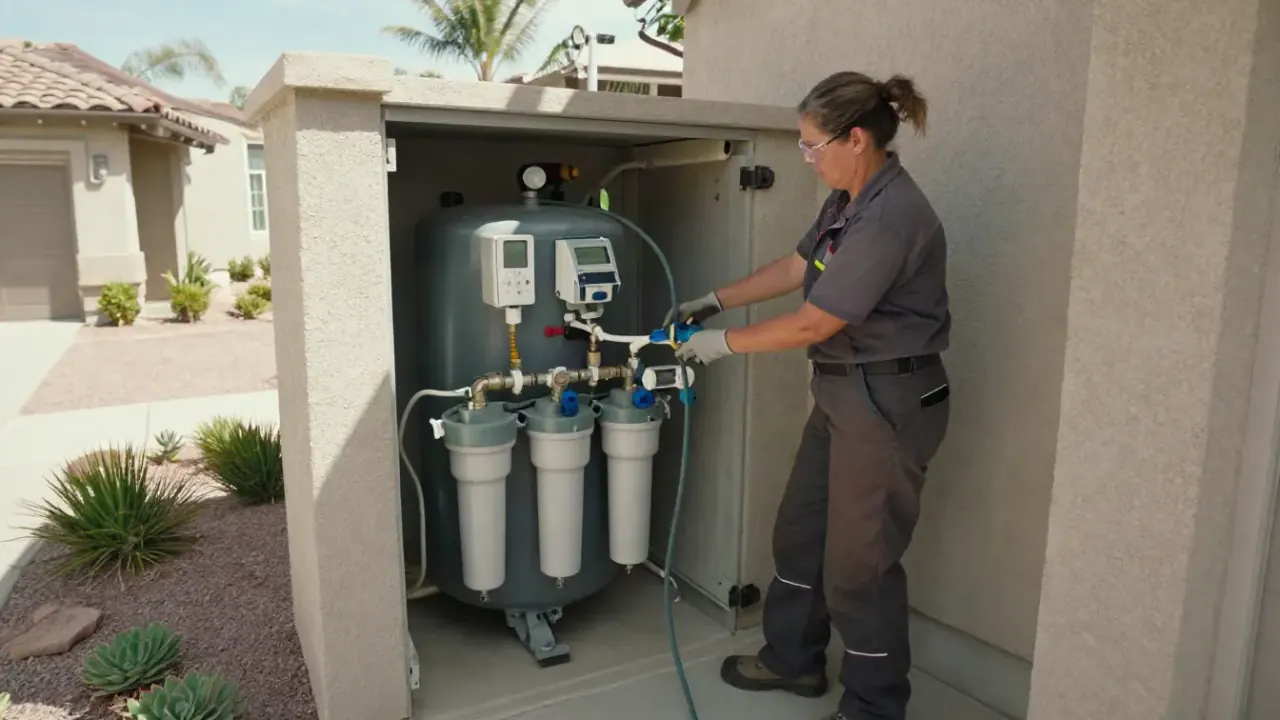
We set the new softener level, rebuild the connections with new fittings, and pressure-test every joint. If the old install used copper, we sweat new stubs with a soldering torch. This step runs 60 to 90 minutes on a typical Diamond Bar garage or side-yard install.
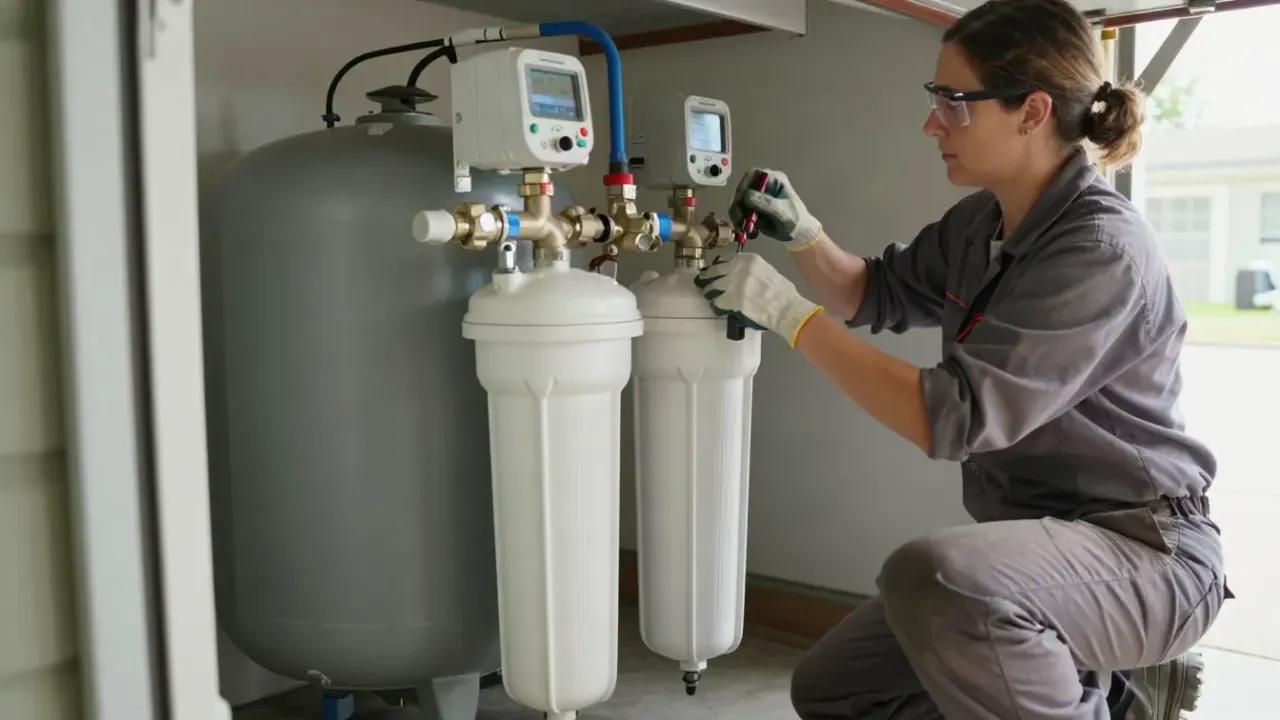
We set hardness, regeneration days, and brine fill on the control valve, then run a manual regeneration so you can watch it cycle. You get a walkthrough on salt type, fill level, and what a normal regen sounds like. Total visit is usually three to four hours.
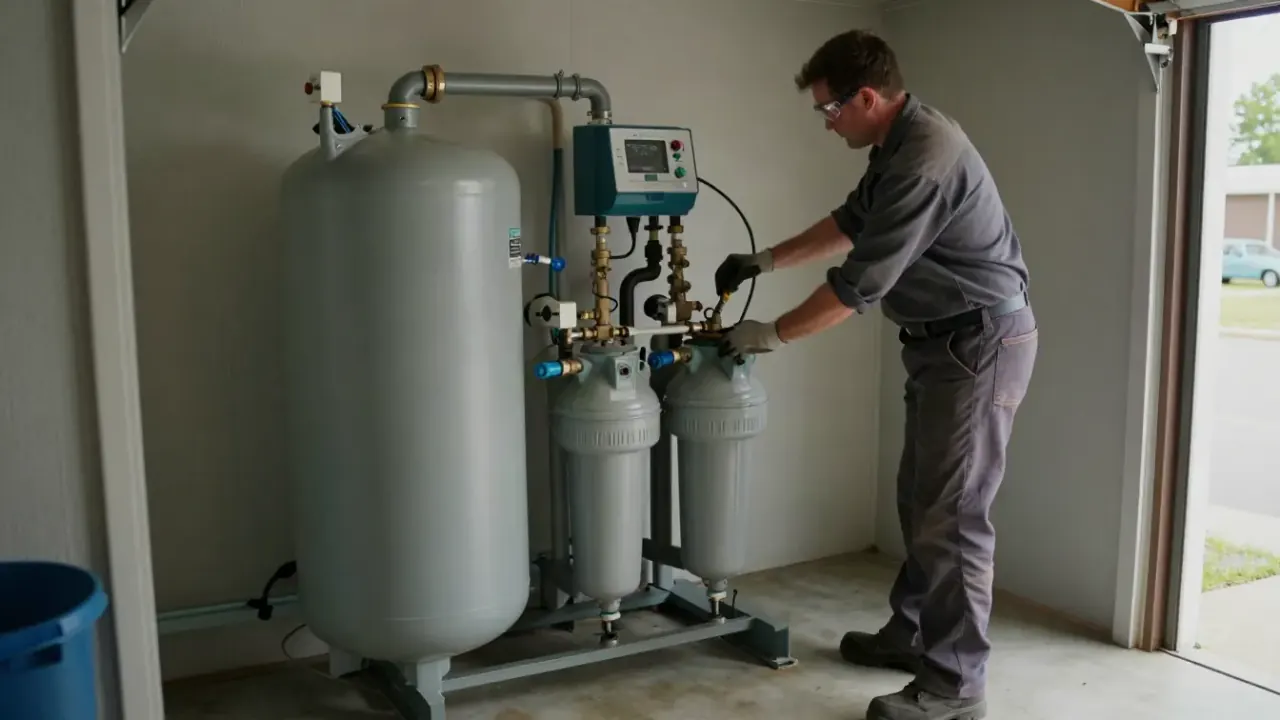
Measures raw and treated hardness in grains per gallon so we size the new unit correctly and prove the install worked.
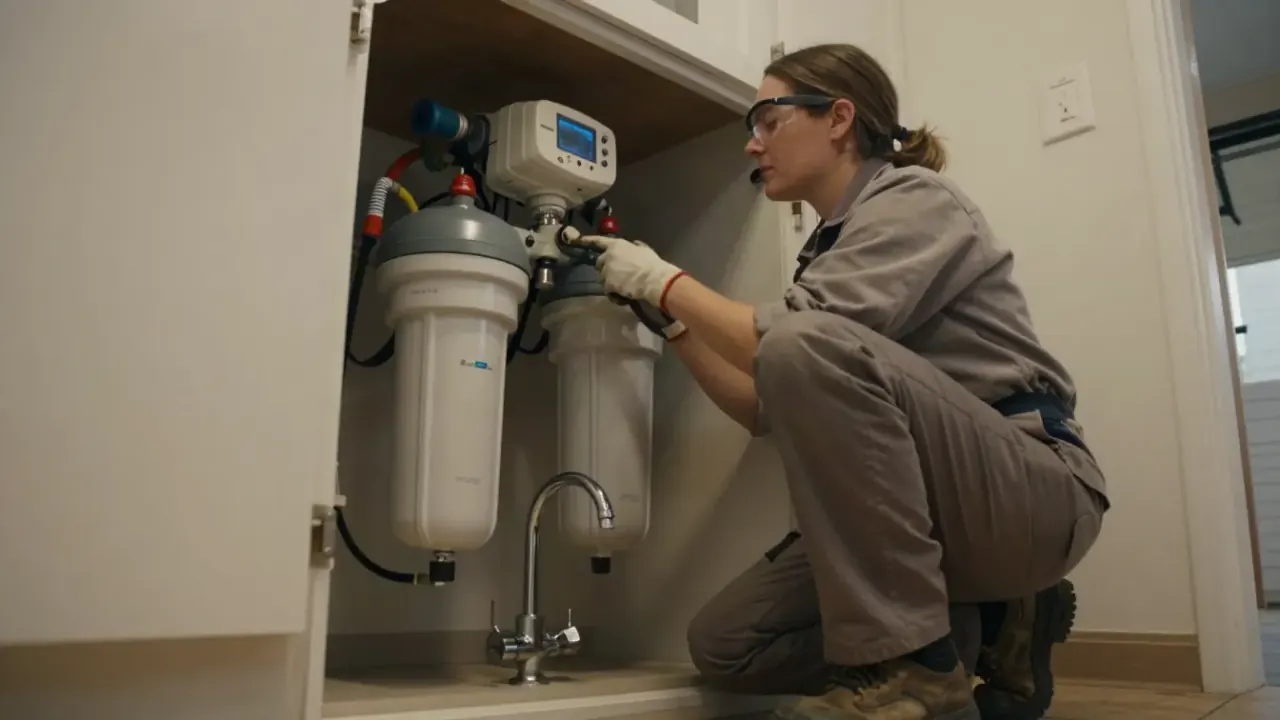
Checks total dissolved solids before and after the swap to confirm the softener is actually reducing mineral content.
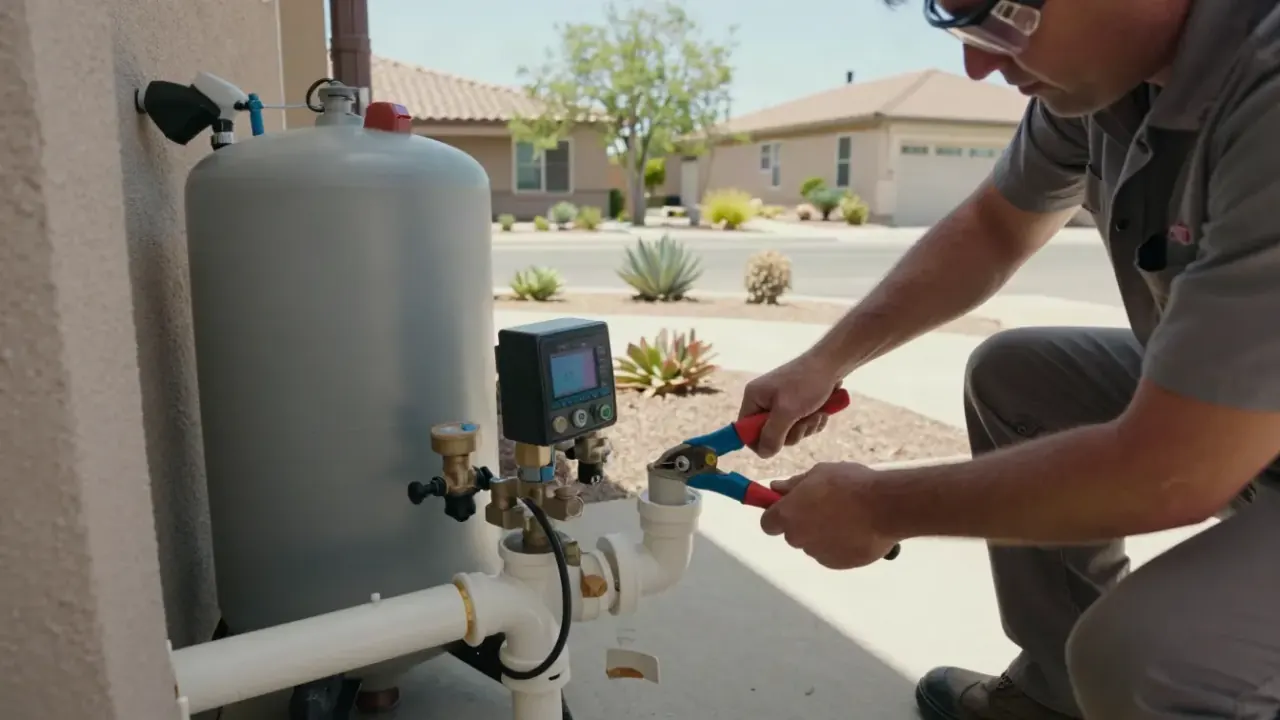
Cuts and frees the old connections without damaging surrounding pipe. Clean cuts mean fewer fittings and less chance of a leak.
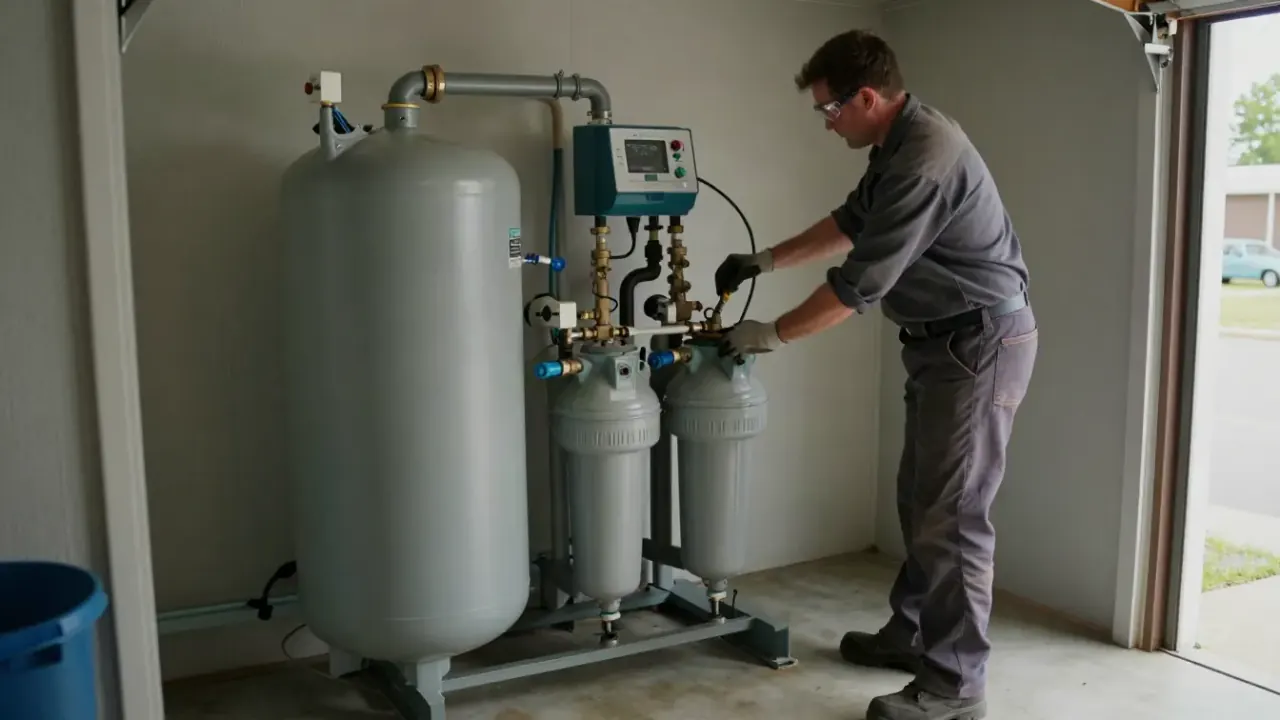
Sweats new copper stubs when the old connections are corroded or the install needs to be rebuilt to code.
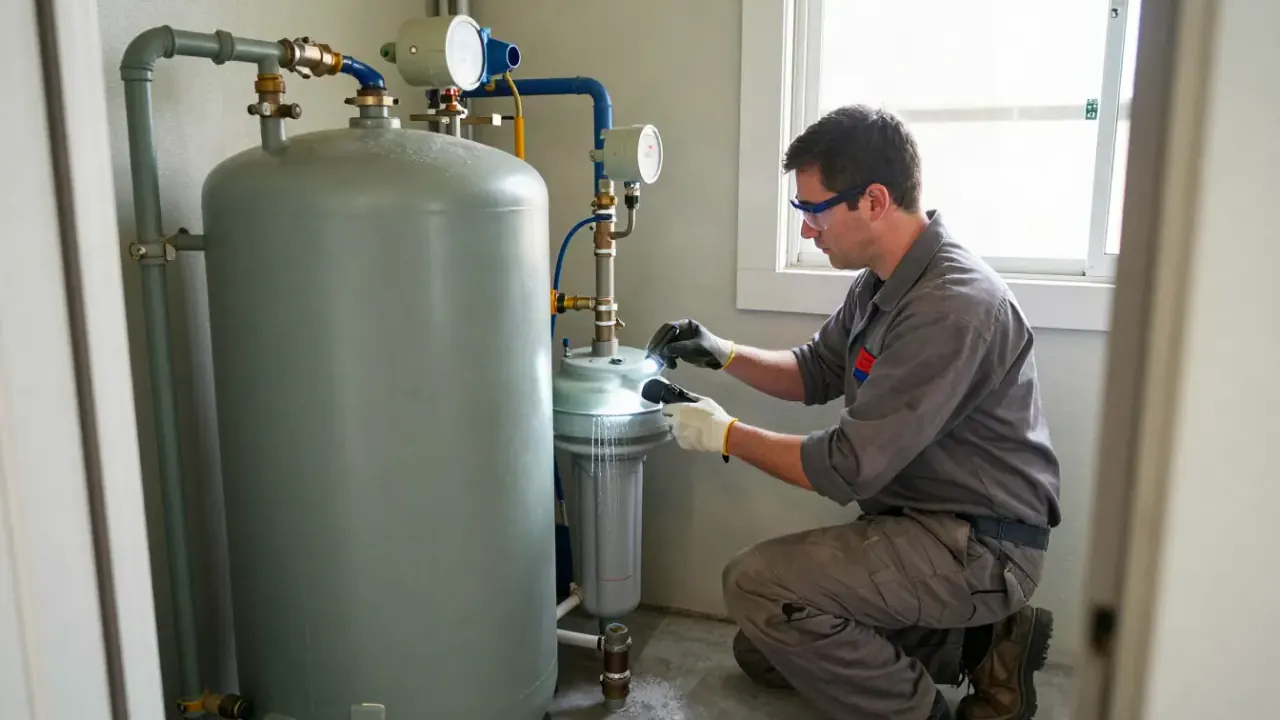
Pulls sludge, salt bridges, and standing brine out of the old tank before we disconnect it, so nothing spills in your garage.
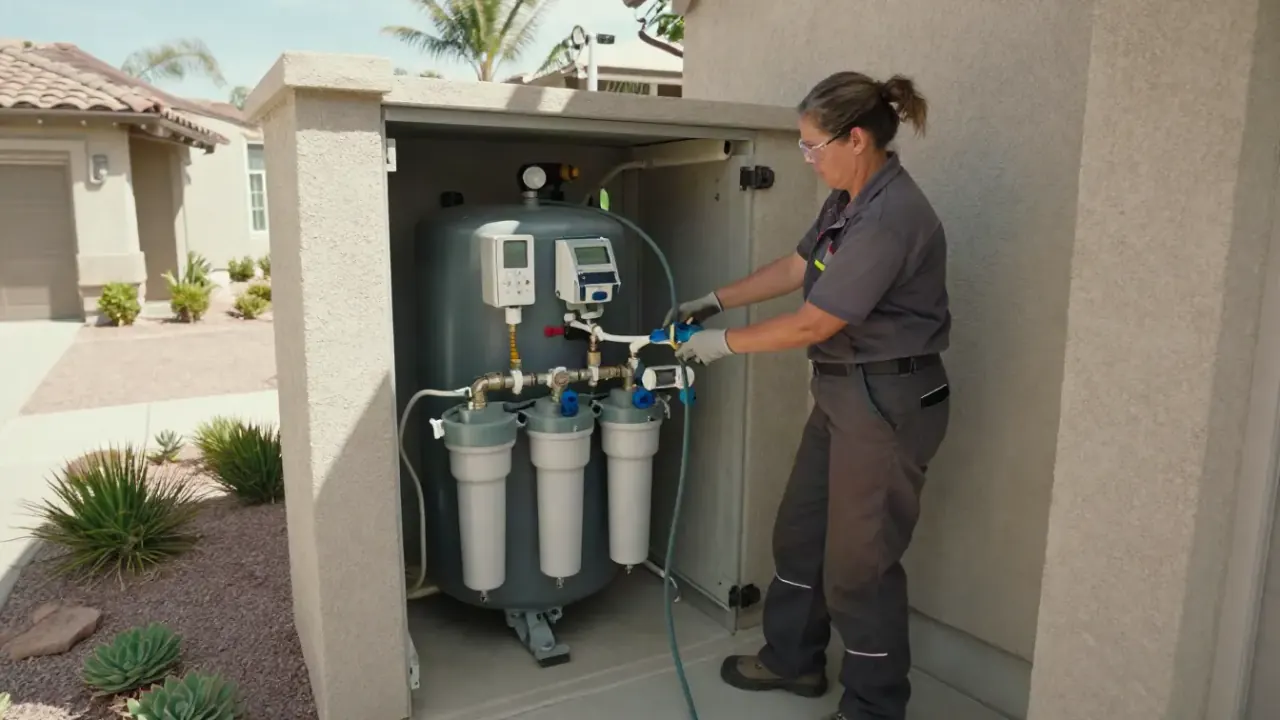
Loosens the control head from the tank on stubborn units so we can separate and remove them without cracking the threads.
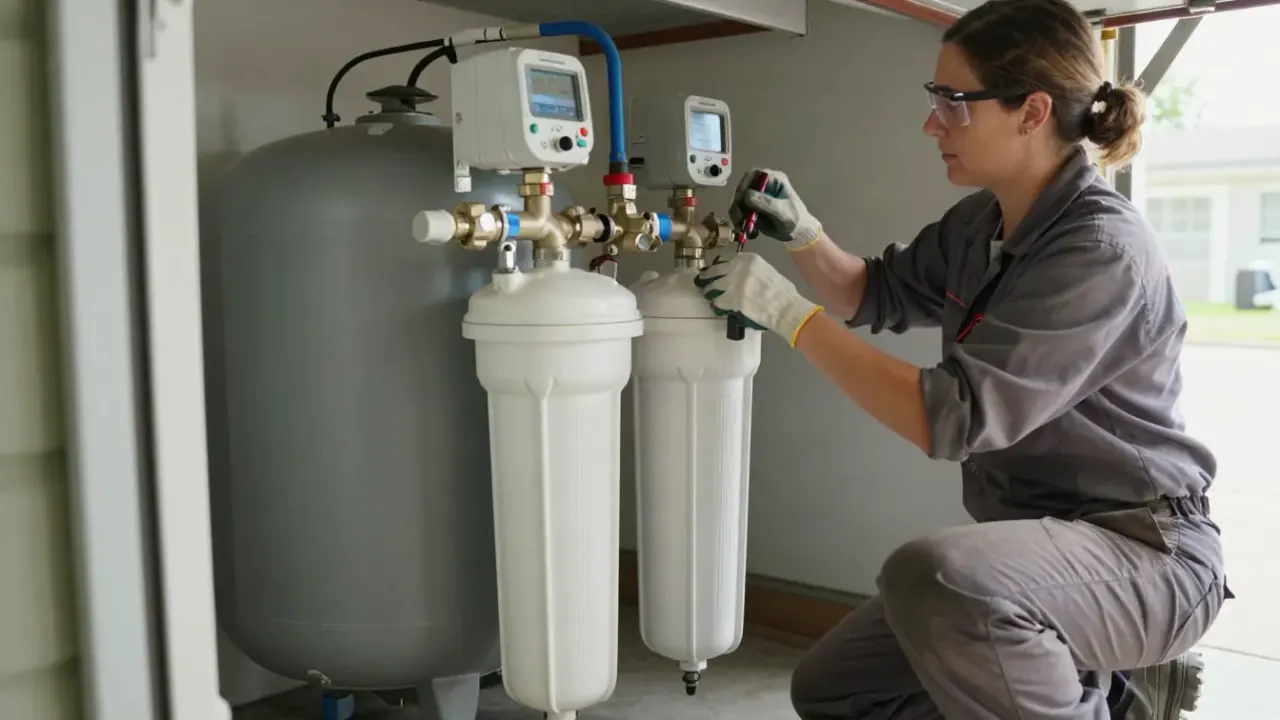
Every replacement softener we install meets NSF/ANSI 44 for residential cation exchange water softeners. That standard covers hardness reduction claims, materials safety, and structural integrity, so you are not buying a unit that only claims to soften water.
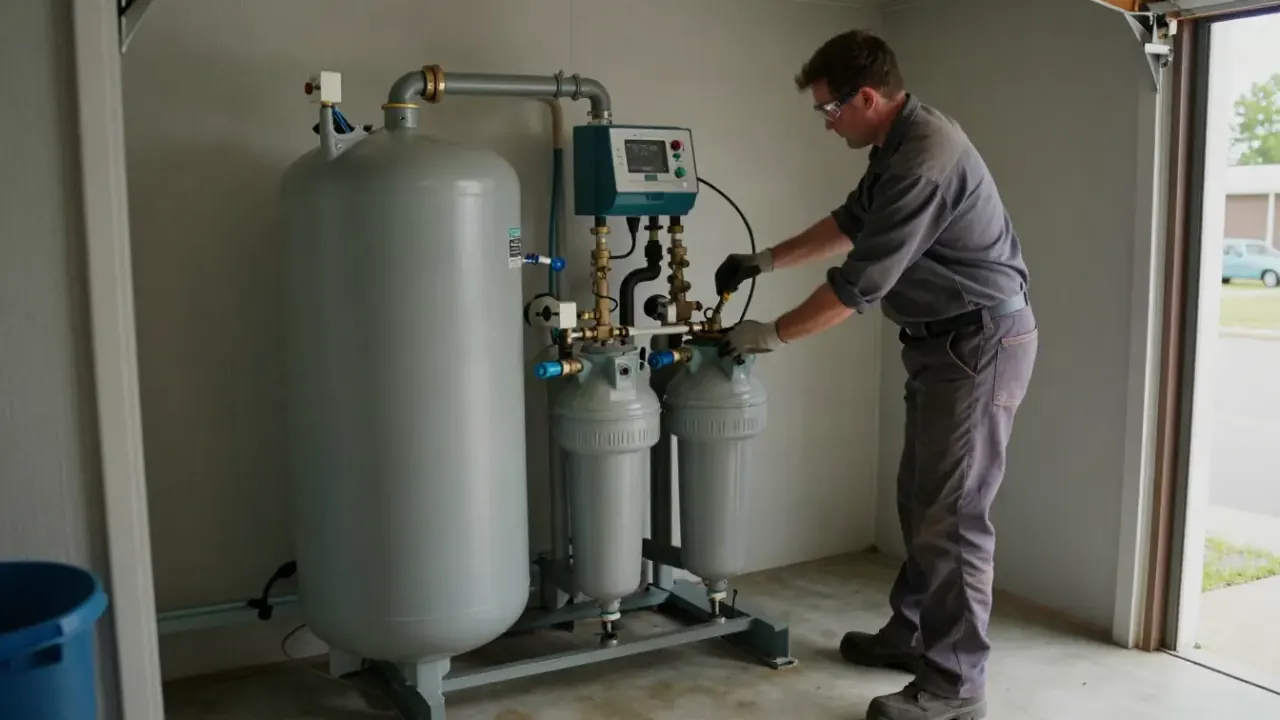
We use control valves and tanks carrying WQA Gold Seal or IAPMO certification. These third-party marks mean the parts were tested for performance and durability, not just assembled and labeled.
We test hardness and flow, confirm the resin is depleted, and swap in a correctly sized unit. The old tank and brine tank get drained and hauled off the same visit. Soft water returns within a day, salt usage drops by more than half, and the new unit is sized for your actual household.
We remove the old unit, cap or reconnect the loop, and install a new softener with a fresh bypass valve. If the plumbing was abandoned, we rebuild the connections cleanly. You get a working softener instead of someone else's junk, and the garage space back.
We compare repair cost against replacement over a five-year window. When the tank is also aging, removal and replacement is the better math, and we explain the numbers before you decide. One visit replaces the cycle of repairs, and you get a system with a fresh head and tank.
We pull the old softener, set the new one, and run the RO feed under the sink during the same visit. One set of connections, one pressure test, one walkthrough. Soft water at every tap and filtered drinking water at the kitchen sink, installed together.
Diamond Bar water runs hard, and the city sits on a blend of imported Colorado River water and local groundwater that pushes 12 to 18 grains per gallon depending on the year. That means softeners here cycle more often and wear out faster than in coastal cities. Most of the housing stock is 1980s and 1990s tract homes with the softener loop already stubbed into the garage or side yard, which makes a water softener swap out Diamond Bar CA straightforward. We see slab penetrations in the older tracts near Pathfinder and Cimarron Oaks, and tight side-yard runs in The Country where we have to be careful with the tubing cutter. If you are upgrading an old unit, we can also add a sediment filter or carbon filter ahead of the softener while the line is open. Summer heat in the garage shortens the life of cheaper control valves, so we lean toward Fleck and Clack heads that hold up. Winter is mild, but we still drain and bypass units that sit in unheated spaces. For anyone searching to replace old water softener Diamond Bar California, the job is usually a one-visit swap with the old tank hauled off the same day.
A Windwood family of five was running a builder-grade 24,000-grain softener that could not keep up. Four bags of salt a month, spots on every glass, and the water heater was already showing scale.
We swapped in a 32,000-grain unit with a Fleck control head and a fresh bypass valve. Treated hardness dropped from 16 grains to under 1. Salt usage fell to about one and a half bags a month.
Check salt level monthly, keep the brine tank about half full, and book a brine tank cleaning once a year to prevent sludge.
A Diamond Point rental sat empty with a cracked Culligan resin tank and a brine tank full of sludge. The property manager needed it working before the next tenant moved in.
We vacuumed the brine tank, cut out the old unit, and installed a new softener with a Clack head and a sediment filter ahead of it. Total job time was three and a half hours, and the unit tested under 1 grain.
Replace the sediment filter every six months and have us check the control valve settings at the one-year mark.
A homeowner in The Country had paid for two control valve repairs in three years on a 13-year-old unit. Each repair bought a few months before the next failure.
We compared the five-year repair math against replacement and swapped the whole system. New Autotrol head, new resin tank, new bypass. Water pressure at the showers came back within a week as scale stopped depositing.
Annual maintenance visit to verify regeneration and clean the brine tank keeps the new unit on schedule.
Most Diamond Bar softener calls trace back to one of these five failures. Ignoring them costs you salt, water, and eventually the appliances the softener was supposed to protect.
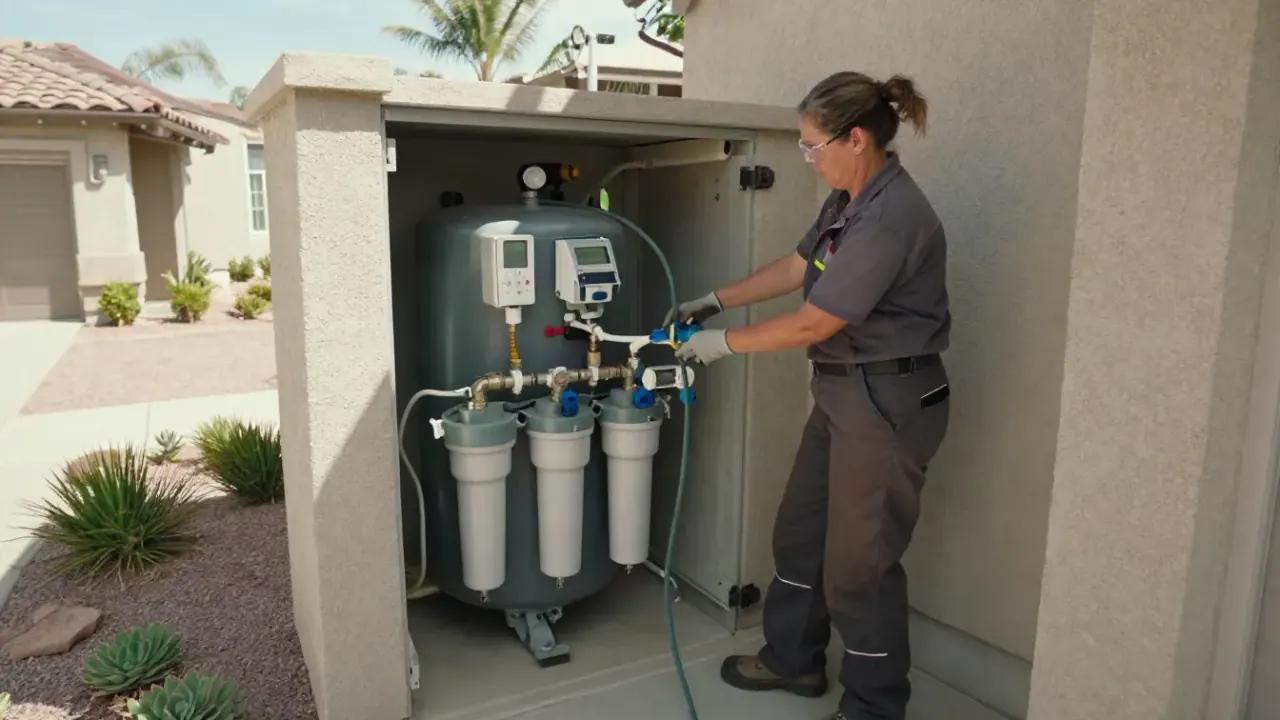
We test hardness, confirm resin depletion, and swap the unit. A new softener restores full ion exchange capacity, and most Diamond Bar homes see spot-free glassware within two days of the install. Spots mean the resin has stopped exchanging, so untreated hard water is flowing through every tap and into your water heater and dishwasher.
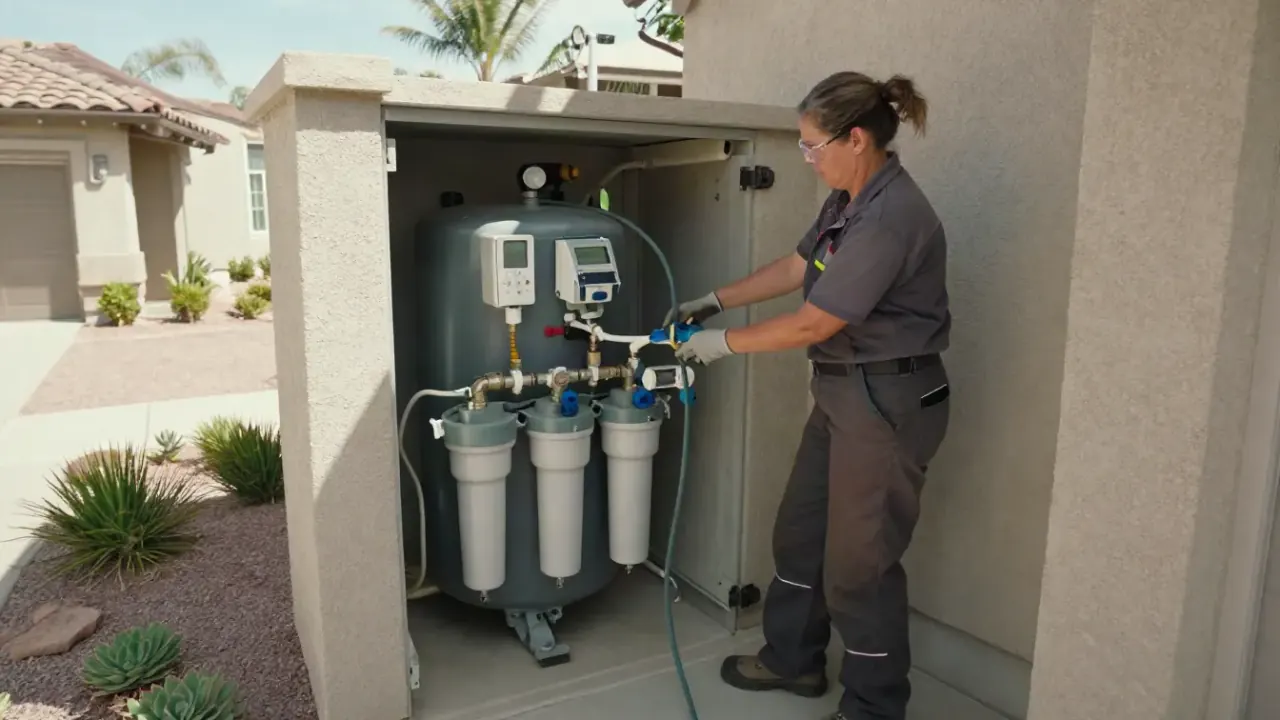
We diagnose control valve failure and check whether the head is worth rebuilding. If the tank is sound, a Fleck or Autotrol head swap fixes it. If the resin is also spent, we move to full removal and replacement. A failed control valve leaves you with a tank full of hard water and no warning light. You keep using water thinking it is soft when it is not.
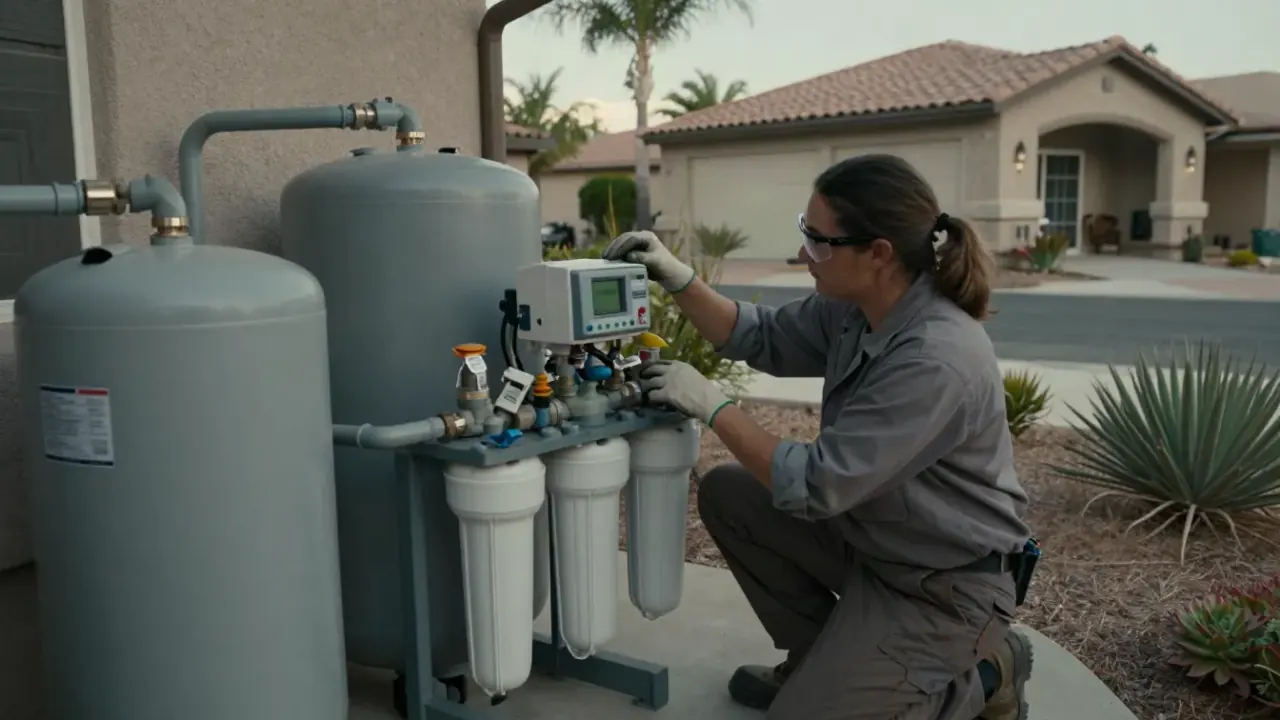
We vacuum the brine tank, flush the brine well, and inspect the resin. If sludge has been sitting for years and the tank is compromised, replacement is the cleaner answer. Otherwise we clean and reset the system. Sludge blocks the brine draw, so the resin never gets recharged. Salt usage climbs while water quality drops, and the tank starts to smell.
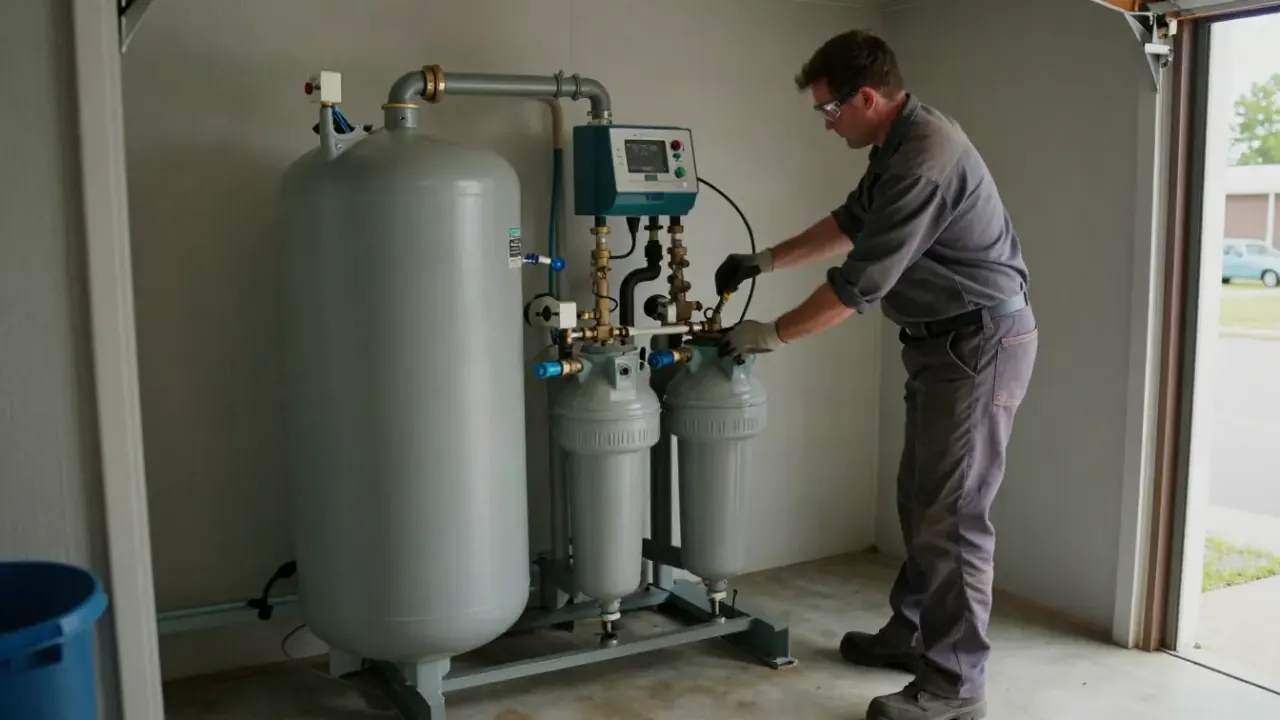
We check the regeneration settings and brine fill against your actual hardness. If the head is the problem, we replace it. If the whole unit is undersized, we right-size the replacement so you stop overpaying for salt. An over-regenerating valve wastes hundreds of gallons and several bags of salt a month. Over a year that is real money and a lot of hauling.
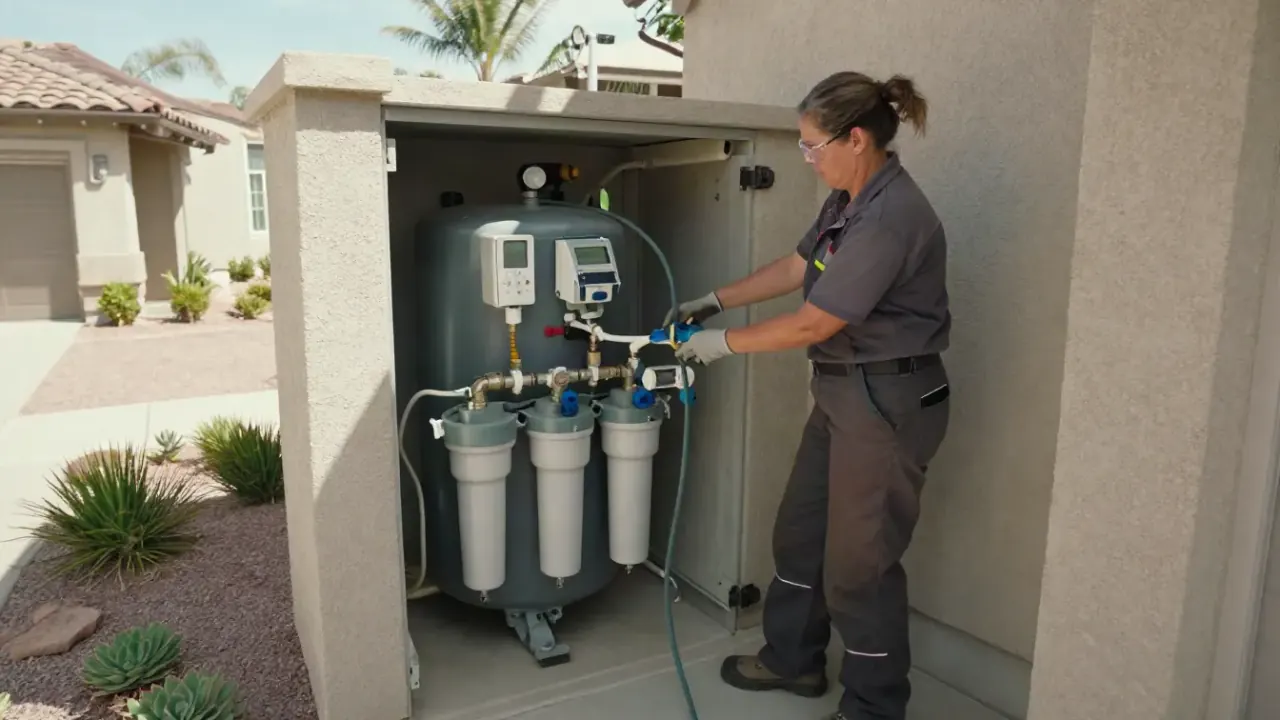
We inspect the main line and fixtures for scale, then install a correctly sized softener so treated water stops depositing scale. In severe cases we also recommend a whole-house filter to catch sediment ahead of the softener. Scale buildup in pipes and fixtures restricts flow over time. Shower pressure drops, the water heater works harder, and fixtures wear out faster.
Scale buildup in pipes and on fixtures starts the day your resin stops exchanging. A new unit restores full softening capacity, which protects your water heater, dishwasher, and washing machine from the inside out. Most Diamond Bar homes see visible spot reduction on glassware within the first two days of running the new system.
A failing control valve over-regenerates, which means high salt usage and hundreds of extra gallons down the drain every month. Replacing the head and tank together resets your brine draw to factory spec. Customers routinely drop from four bags of salt a month to one and a half.
Many Diamond Bar homes are running a builder-grade 24,000-grain unit that was never sized for a family of five. We run a water hardness test kit and a TDS meter, then match grain capacity and flow rate to your actual usage. That is the difference between a softener that keeps up and one that never did.
When we pull the old tank, we can also swap in a sediment filter or carbon filter ahead of the softener and add a reverse osmosis membrane under the kitchen sink. One visit, one set of connections, and your drinking water and laundry water both improve. Ask about bundling during the removal.
Typical 2026 pricing for a residential swap in Diamond Bar runs $1,200 to $3,200 depending on grain capacity, plumbing condition, and whether you add filtration. A straightforward replacement on an existing softener loop sits at the low end. Re-plumbing copper, adding a carbon filter, or installing a reverse osmosis system moves the number up. We test your water first, then quote a firm price before any work starts. No hourly surprises, no disposal fee tacked on at the end.
What your estimate is based on
$1,200 - $3,200 depending on scope A correctly sized replacement stops the salt waste, protects your water heater and appliances from scale, and typically pays back the difference over a repair-and-replace cycle within a few years.
Clear records you can keep and share.
What we remove, what we install, what it costs
Hardness and TDS before and after the swap
Tank, brine tank, and head loaded on the truck
Replacing a softener is not the same as repairing one. Knowing which parts are worn tells you whether a swap is the right call or a waste of money.
Resin depletion shows up as hardness returning even when the unit still regenerates. A failed control valve stops regeneration entirely. The fix is different for each.
A cracked resin tank or a sludge-filled brine tank means replacement. A working tank with a bad head can often be repaired for less.
An undersized unit regenerates too often, which wastes salt and shortens resin life. We size to your household count and tested hardness, not to the biggest tank on the shelf.
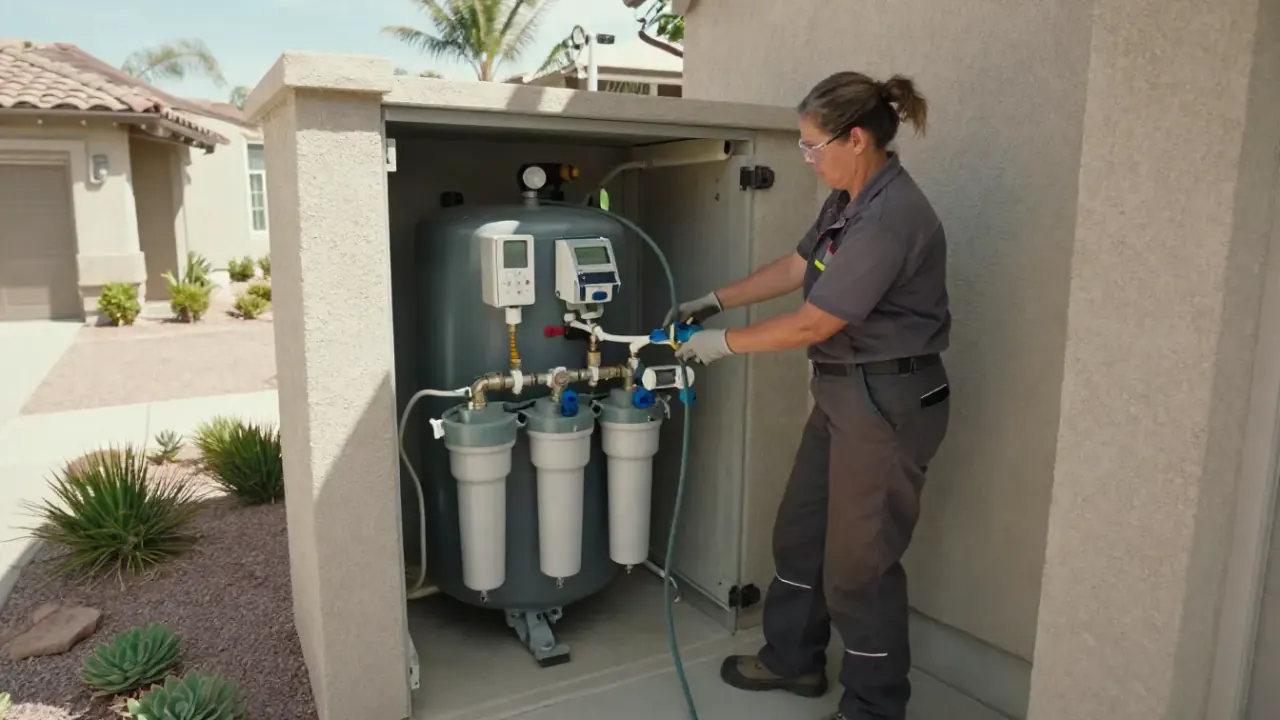
Outside these areas? Call and ask about your street. (909) 415-2296
Most residential jobs run $1,200 to $3,200 in 2026, including removal, haul-away, and a new unit. The water softener removal and replacement cost Diamond Bar CA homeowners pay depends on grain capacity, whether we need to re-plumb copper, and if you add filtration. A basic 32,000-grain swap with existing connections sits at the low end. Call (909) 415-2296 for a same-day number.
Yes. We replace old water softeners in Diamond Bar California regardless of brand, including Fleck, Autotrol, Clack, Culligan, Kinetico, GE, Whirlpool, Aquasana, Pelican, and SoftPro. We cut out the old unit, haul it off, and set a new one with a fresh bypass valve and control head. Most swaps finish in three to four hours, and we test hardness before and after so you can see the difference.
We do, and we take the unit with us. That includes draining the brine tank, disconnecting the resin tank, and loading everything on the truck so you are not stuck with a 150-pound tank in the garage. If you are searching for water softener removal near me, we cover Diamond Bar, Walnut, Chino Hills, Brea, Pomona, and West Covina. Call (909) 415-2296 to schedule.
Plan on three to four hours for a standard residential swap. Draining and disconnecting the old unit takes about an hour, setting and pressure-testing the new one runs 60 to 90 minutes, and programming plus a manual regeneration adds another 30. If we are re-plumbing copper or adding a sediment filter, add an hour. We give you a firm window when you book.
One call gets you a water test, a firm price, and a same-day swap when the schedule allows. We haul the old unit, set the new one, and leave you with soft water and a walkthrough. Call (909) 415-2296 and we will get you on the board.
Call (909) 415-2296 or email us and we will get back to you the same business day. We answer questions about hardness readings, salt use, and system sizing before you book anything. Serving Diamond Bar and Los Angeles County.